
emerge – dynamic techno commercial modelling Climate change requires that society rapidly transitions from a hydrocarbon-based energy system to one that is decarbonised. This challenge is compounded by the need to do so in a manner that provides an affordable and secure supply of energy. Collectively these three elements are known as the energy trilemma, andContinue reading “emerge – dynamic techno-commercial modelling tool launched”
Category Archives: Insights
Bridging Process Engineering and Commercial Strategy for a Just Energy Transition: A Junior Consultant’s View

It feels like a lifetime ago that I first joined the io consulting team as a development consultant as part of a Year in Industry MEng. From the very first interview, I was immediately impressed by the company’s strong sense of community and collaborative working style. As my placement comes to an end, I wantContinue reading “Bridging Process Engineering and Commercial Strategy for a Just Energy Transition: A Junior Consultant’s View”
Sector Coupling: Leveraging synergies to accelerate industrial decarbonisation

Introduction At io consulting we are executing projects across the hard to abate landscape. Our team has successfully supported projects that will reduce the emissions from marine, aviation, cement, steel and energy facilities. The success in these areas is in no small part due to io’s systems thinking approach to project development; we view projectsContinue reading “Sector Coupling: Leveraging synergies to accelerate industrial decarbonisation”
Implementing Cement CCUS

As published in Global Cement Magazine’s July – August 2024 issue focussed on CCUS with articles on the future EU Emissions Trading Scheme (ETS) and CCUS project funding, as well as a full review of the highly-successful Global CemCCUS Conference, which took place in Oslo, Norway. Republished with kind permission. All major cement sector projectsContinue reading “Implementing Cement CCUS”
Safety Redefined: Strategies for Hydrogen Project Resilience

In the pursuit of sustainable energy solutions, hydrogen-based technologies have emerged as promising alternatives, driving innovation and reshaping the energy landscape, often touted as the “fuel of the future”. However, with progress comes the imperative of ensuring safety and managing associated risks effectively, a challenge that Jessica Guzzetta-King and Sam Richardson of io consulting, confrontContinue reading “Safety Redefined: Strategies for Hydrogen Project Resilience”
Decarbonising Cement: Innovation Pathways to a Sustainable Future
Concrete is everywhere: it shapes the landscape of our cities and the foundations of our societies. From towering high-rise buildings to the humble pavement, its presence is unmistakable, making it an indispensable role in construction worldwide. Cement is the powdery binder that holds the sand or crushed stone in concrete together, it makes-up about 10%Continue reading “Decarbonising Cement: Innovation Pathways to a Sustainable Future”
Carbon Capture Insights: Technology

As we collectively address climate change and undertake an energy transition, the need to provide clean, affordable and reliable energy for all requires a blend of solutions, which includes hydrocarbons together with Carbon Capture Utilisation and Storage (CCUS). This requirement is why the International; Energy Agency (IEA), International Renewable Energy Agency (IRENA) and Intergovernmental PanelContinue reading “Carbon Capture Insights: Technology”
Beyond fossil fuels: How efuels are changing the energy game

As hard-to-abate sectors attempt to reduce CO2 emissions, the interest in efuels continues to rise. efuels, short for electrofuels, are a class of synthetically produced hydrocarbons which achieve lifecycle carbon savings compared to traditional reservoir-sourced hydrocarbon-based fuels. They approach carbon neutral following the consumption of CO2 in their production, which is then re-released into theContinue reading “Beyond fossil fuels: How efuels are changing the energy game”
digital tools for energy efficiency and GHG reduction

Written by Tim Highfield and Yael Muniz Calderon. Digital tools for emissions estimation are widely spread nowadays given the imperative for companies to meet decarbonisation targets and reporting. However, if the software could not only calculate the emissions but provide insights about energy efficiency and process anomalies, this would optimise the system and reduce GreenhouseContinue reading “digital tools for energy efficiency and GHG reduction”
io empowering the next generation to solve the energy trilemma, an intern’s perspective

Having completed three of four years of a Chemical Engineering MEng at the University of Manchester, I decided to spend a year in industry to put my studies into practice and gain first-hand insights in the energy industry to begin determining a career path. My name is Nikhil Mistry, I’ve spent six months with ioContinue reading “io empowering the next generation to solve the energy trilemma, an intern’s perspective”
Shaving Emissions at LNG Peak Shaving Facilities

Published in LNG Industry’s February 2023 issue and republished here with permission. The role of LNG peak shaving facilities Regions across the Northern Hemisphere have experienced an increasingly frequent number of extremely cold Winter weather episodes over the past four decades. During extreme cold spells, demand for natural gas can peak sharply above normal baselinesContinue reading “Shaving Emissions at LNG Peak Shaving Facilities”
Baker Hughes Annual Meeting 2023 Key Takeaways

It was great to see the in person Baker Hughes 2023 Annual Meeting in Florence, Italy back last week. Nearly 2,200 participants attended over the two days with 25 technology sessions and over 50 speakers. Here are some of the key takeaways from the io attendees. Overview The need for a just transition and toContinue reading “Baker Hughes Annual Meeting 2023 Key Takeaways”
Emissions management, an important step towards decarbonisation

The need to reduce the impact of global greenhouse gas (GHG) emissions from industry is paramount to achieving the COP 21 Paris Agreement targets. According to the US EPA’s Global Emissions by sector research energy, heat production and industrial processes account for over 50% of all GHG emissions [1]. Whilst power generation is a significantContinue reading “Emissions management, an important step towards decarbonisation”
Power to X – Pathways to Decarbonisation
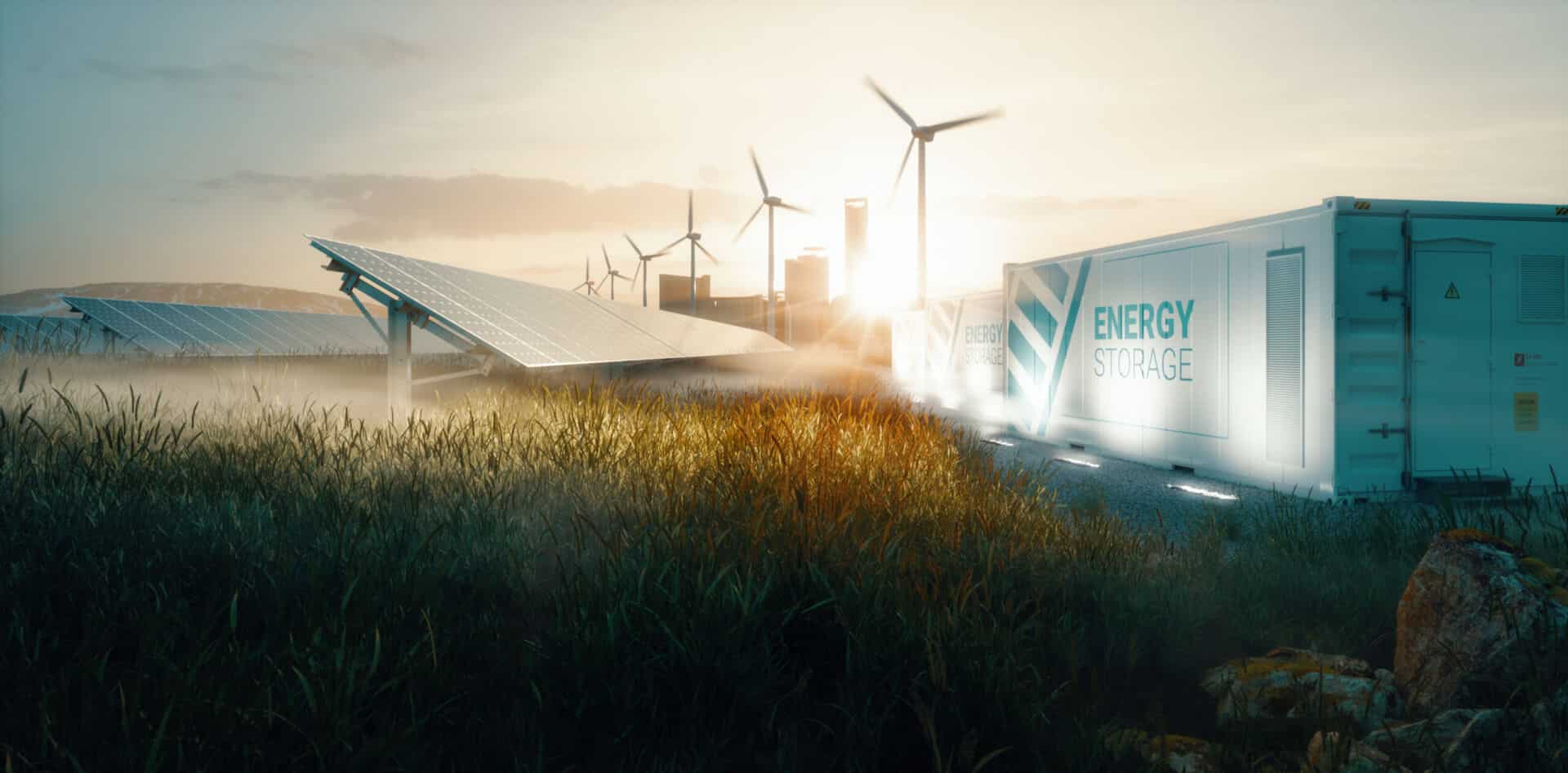
Climate change requires that society rapidly transitions from a hydrocarbon-based energy system to one that is decarbonised. This challenge is compounded by the need to do so in a manner that provides an affordable and secure supply of energy. Collectively these three elements are known as the energy trilemma and there is no single solutionContinue reading “Power to X – Pathways to Decarbonisation”
COP27 – Impact reparations prioritised over tackling emission causes

Marketed as ‘Africa’s COP’, COP27 in Sharm el-Sheikh, Egypt, was expected to promote climate justice and expand on the targets developed at previous Conference of the Parties (COP) to the United Nations Framework Convention on Climate Change. Negotiating the loss and damage fund dominated discussions and achieved climate impact justice to some degree, howeverContinue reading “COP27 – Impact reparations prioritised over tackling emission causes”